Beyond your driving record and any suspension, a handful of everyday DMV processes come up again and again — proving who you are, replacing something you lost, or getting someone else authorized to act on your behalf. This guide ties together our full coverage of these core DMV procedures.
Your Rights and the Hearing Process
Several situations across this site — a contested suspension, a medical review, a points-based action — can lead to the same kind of proceeding: an administrative hearing. DMV administrative hearings covers how that process actually works in general — your rights, how to request one, and a genuinely useful fact most people don't know: sometimes skipping the hearing entirely and applying directly for a restricted license is the faster path.
Choosing and Renewing Your License
Since federal enforcement began in 2025, knowing which type of ID you have actually matters at the airport. REAL ID vs. Standard vs. Enhanced License compares all three, including the Enhanced option that only five states offer and what to do if you have neither and need to fly anyway. Once you know what you need, what to bring to the DMV is the checklist to work from — including a detail most guides miss: your proof-of-residency documents usually need to be recent, not just accurate.
Replacing Lost Documents
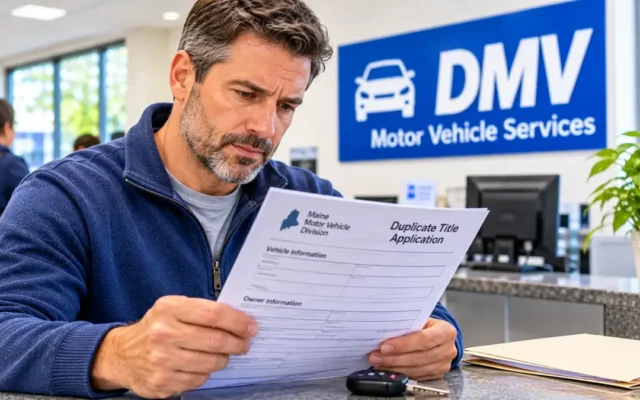
How to replace a lost or stolen driver's license covers the process — and a genuinely important distinction between the two: a stolen license may need a police report specifically to get a new license number, not just a new card with the same one. How to request a duplicate vehicle title or registration covers a different kind of document entirely, including a complication a lot of people don't expect: if there's a loan on the vehicle, the lienholder — not you — may be the one who actually controls the title.
Authorizing Someone Else
Can't make it to the DMV yourself? Power of attorney for DMV transactions covers how to properly authorize someone else to handle a vehicle title or registration matter on your behalf — including a specific federal rule around vehicle sales that a general power of attorney often doesn't cover.
Frequently Asked Questions
Do I need an appointment for all of these?
Many DMV transactions can be started or completed online, but first-time licenses, REAL ID upgrades, and most title transfers typically still require an in-person visit — see our appointment checklist for what to prepare either way.
Can someone else handle any DMV matter on my behalf?
Vehicle title and registration matters generally can be handled by an authorized agent with the right power of attorney. Getting a license issued in your name almost always requires your own personal appearance, regardless of any authorization in place.
What's the difference between a DMV hearing and going to court?
They're independent processes with different rules and different decision-makers — a DMV hearing result doesn't determine a related criminal court outcome, and vice versa.
Sources & Methodology
This guide summarizes and links to our full DMV processes coverage, each individually sourced from official state motor vehicle agencies and, where relevant, federal sources like the TSA and federal odometer disclosure law. See each linked article for its specific sources and citations.
This article is for general educational purposes only and isn't legal advice. For guidance on your specific situation, contact your state's motor vehicle agency directly.